







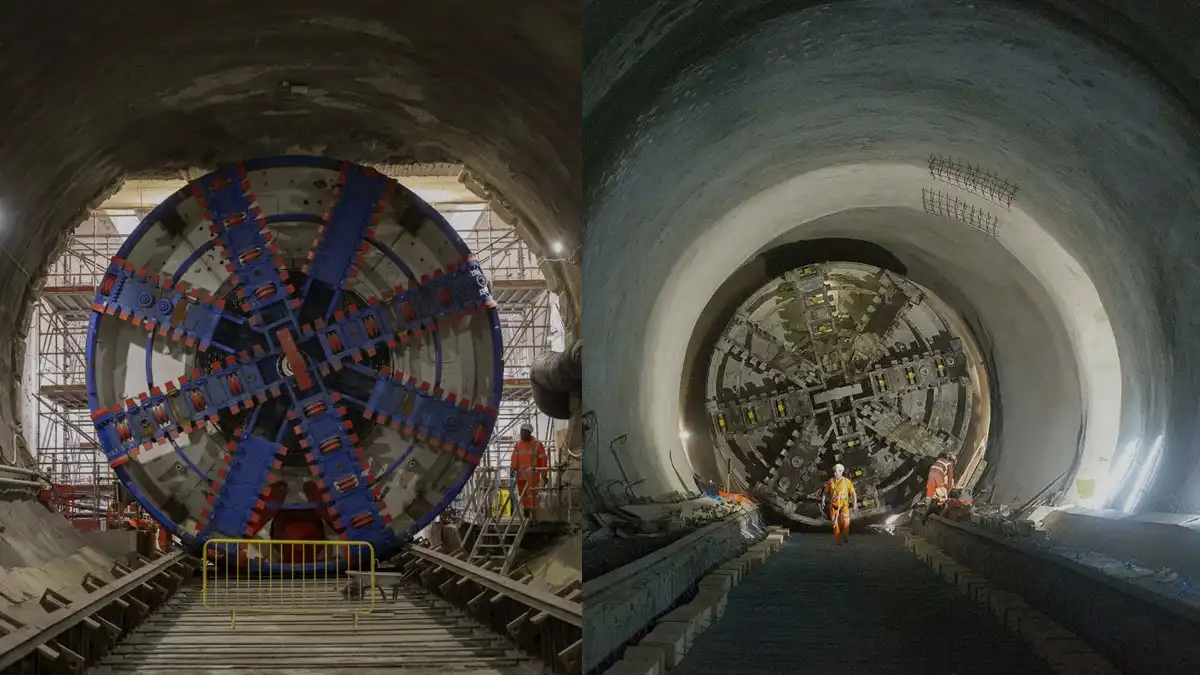
Underground tunneling is one of the most demanding engineering operations in the world. Deep below the surface, Tunnel Boring Machines (TBMs) work continuously through rock, groundwater, vibration, heat, dust, and unstable operating conditions to keep critical infrastructure projects moving forward.
In these environments, even a small automation issue can bring excavation progress to a halt.
A minor PLC communication fault, moisture entering a control panel, or overheating drive systems can stop a TBM unexpectedly, resulting in costly downtime, schedule delays, and reduced productivity. While modern TBMs are engineered for harsh conditions, their automation systems remain highly sensitive to the underground environment.
For tunneling contractors and industrial service providers like Epoch Technical, under- standing the real causes of automation failure is essential for maintaining reliable, safe, and efficient underground operations.
1. Moisture and Humidity Damage
If there is one challenge every underground project faces, it is moisture.
Tunnels naturally experience high humidity, groundwater seepage, muddy conditions, and constant condensation buildup. Over time, these environmental conditions begin affecting sensitive automation and electrical systems inside the TBM.
Components such as PLCs, communication modules, HMIs, junction boxes, and sensor connections are especially vulnerable when moisture enters enclosures or cable terminations.
What may begin as minor condensation can gradually lead to:
- - Corroded terminals
- - Short circuits
- - Sensor instability
- - Communication interruptions
- - Electrical insulation damage
- - Random automation faults
One of the biggest problems with moisture-related failures is that they often develop slowly. A TBM may continue operating normally for days or weeks before intermittent alarms and unpredictable shutdowns begin appearing, making troubleshooting difficult for maintenance teams underground.
In many tunneling projects, mud ingress and trapped humidity inside control cabinets become major hidden reliability risks.
This is why underground automation systems require far more than standard industrial protection. Proper enclosure sealing, anti-condensation heaters, industrial-grade cable glands, and climate-controlled electrical panels play a major role in preventing long-term damage.
At Epoch Technical’s Tunneling Division, protecting automation systems from harsh underground conditions is considered just as important as maintaining the mechanical integrity of the TBM itself.
2. PLC Communication Failures
Modern TBMs rely heavily on continuous communication between automation systems.
PLCs coordinate critical functions such as cutterhead control, hydraulic systems, conveyor operation, steering control, ventilation, machine diagnostics, and safety interlocks. When communication becomes unstable, the entire tunneling operation can slow down or stop unexpectedly.
Unlike standard industrial environments, underground tunneling places enormous stress on industrial communication networks.
Long cable routing, heavy machine vibration, electrical interference, water exposure, and constant equipment movement all contribute to network instability.
Common causes of PLC communication failure include:
- - Damaged Ethernet or fiber optic cables
- - Loose connectors caused by vibration
- - Water ingress inside panels
- - Industrial network switch failures
- - Electrical noise from high-power drives
- - Improper automation software updates
- - Poor cable shielding and grounding
Operators usually notice these issues through:
- - Random alarms
- - Delayed machine response
- - HMI display failures
- - Inconsistent sensor feedback
- - Unexpected system shutdowns
Since TBMs often operate continuously in 24/7 excavation cycles, even short communication interruptions can create significant project delays.
Reliable PLC communication is not only about using high-quality hardware. It also requires preventive diagnostics, industrial networking expertise, proper cable protection, and regular system health monitoring designed specifically for underground environments.
3. Encoder Misalignment
TBM excavation depends heavily on precision.
Automation systems continuously monitor cutterhead rotation, machine movement, steer- ing angles, and tunnel alignment using industrial encoders and positioning sensors. These devices provide the real-time feedback needed to maintain accurate excavation throughout the tunneling process.
However, underground excavation creates constant vibration and mechanical stress.
During cutterhead impact and continuous boring operations, encoder mounting systems can gradually shift or loosen over time. Even small alignment changes can create major positioning errors across long tunnel drives.
Common causes of encoder problems include:
- - Continuous machine vibration
- - Mechanical wear
- - Shaft movement
- - Loose couplings
- - Improper installation
- - Sudden excavation impact loads
When encoder alignment becomes unstable, automation systems begin receiving inaccu- rate speed or position data.
This can lead to:
- - Steering instability
- - Incorrect speed readings
- - Tunnel alignment deviations
- - Reduced excavation accuracy
- - Navigation and positioning errors
In long underground drives, even small measurement inaccuracies can eventually become serious engineering concerns.
Routine calibration, alignment inspections, and predictive maintenance are critical for maintaining excavation precision. Using heavy-duty industrial encoders specifically de- signed for tunneling environments can also significantly reduce failure risks.
4. Overheating Drives
Heat management is another major challenge in underground tunneling.
Variable Frequency Drives (VFDs) and motor drives control several critical TBM systems including conveyor motors, hydraulic pumps, cutterhead drives, and ventilation systems. These components generate significant heat during continuous operation.
Overheating commonly occurs because of:
- - Poor ventilation
- - Dust accumulation
- - Blocked cooling filters
- - High underground ambient temperatures
- - Overloaded motors
- - Cooling fan failures
When drives begin overheating, operators may experience:
- - Frequent drive trips
- - Unexpected shutdowns
- - Reduced motor performance
- - Production interruptions
- - Permanent component damage
In many projects, dust buildup inside electrical rooms and restricted ventilation are underestimated until overheating becomes a recurring operational problem.
Thermal monitoring systems, routine cleaning schedules, proper airflow management, and predictive maintenance strategies are essential for preventing costly drive failures underground.
Successful TBM automation depends equally on both electrical reliability and environ- mental management.
5. Power Fluctuations Underground
Maintaining stable electrical power underground is often more difficult than many projects anticipate.
TBMs require reliable power for automation systems, communication networks, sensors, drives, monitoring equipment, and control infrastructure. However, underground construction environments frequently experience unstable power conditions due to temporary infrastructure, long cable distances, heavy equipment loads, and generator switching.
Even small fluctuations can seriously affect automation reliability over time.
Common underground power issues include:
- - Voltage drops
- - Sudden surges
- - Frequency instability
- - Harmonic distortion
- - Temporary power interruptions
Poor power quality can damage:
- - PLC systems
- - Industrial drives
- - Communication modules
- - Sensors
- - HMI interfaces
In some cases, automation systems may reset unexpectedly or behave unpredictably sim- ply because of unstable electrical supply conditions.
To reduce these risks, tunneling operations commonly use:
- - UPS backup systems
- - Surge protection devices
- - Power conditioning equipment
- - Proper grounding systems
- - Real-time power quality monitoring
Reliable power infrastructure remains one of the foundations of successful TBM automation.
6. Why Preventive Maintenance Matters in Tunneling
One of the biggest lessons in underground projects is that automation failures rarely happen without warning.
Small issues such as rising drive temperatures, unstable communication signals, moisture buildup inside cabinets, or abnormal sensor behavior usually appear long before a complete system shutdown occurs.
The key is identifying these warning signs early.
This is why modern tunneling operations increasingly invest in:
- - Predictive maintenance
- - Real-time monitoring systems
- - Automation diagnostics
- - Environmental protection systems
- - Preventive inspection programs
For experienced industrial service providers like Epoch Technical, supporting TBM automation is not only about repairing failed equipment it is about helping tunneling projects maintain long-term operational reliability before downtime impacts productivity.
Final Thoughts
Tunnel Boring Machines operate in some of the harshest engineering environments on earth. Constant exposure to moisture, vibration, heat, dust, unstable communication, and poor power quality creates serious challenges for industrial automation systems underground.
As underground infrastructure projects continue expanding worldwide, reliable automation support will remain essential for keeping TBM operations efficient, productive, and dependable in demanding tunneling environments.
Businesses looking for reliable Industrial automation equipment Repair in UAE can benefit from expert PLC support, drive maintenance, automation troubleshooting, and preventive maintenance solutions that maximize operational efficiency in demanding industrial environments.