







Industrial automation systems are built to handle demanding operations, but in Gulf environments, even the most advanced electronic systems face a silent enemy — PCB corrosion.
From coastal factories and oil & gas plants to water treatment facilities and manufacturing industries, industrial electronics in the Gulf are constantly exposed to humidity, salt-laden air, dust, and extreme temperatures. Over time, these environmental conditions slowly damage printed circuit boards ( PCBs ), leading to unexpected shutdowns, costly repairs, and production delays.
At Epoch Technical, we frequently support industries dealing with PCB failures caused by corrosion, oxidation, and moisture damage in critical automation systems such as PLCs, VFDs, SCADA panels, HMIs, and servo drives.
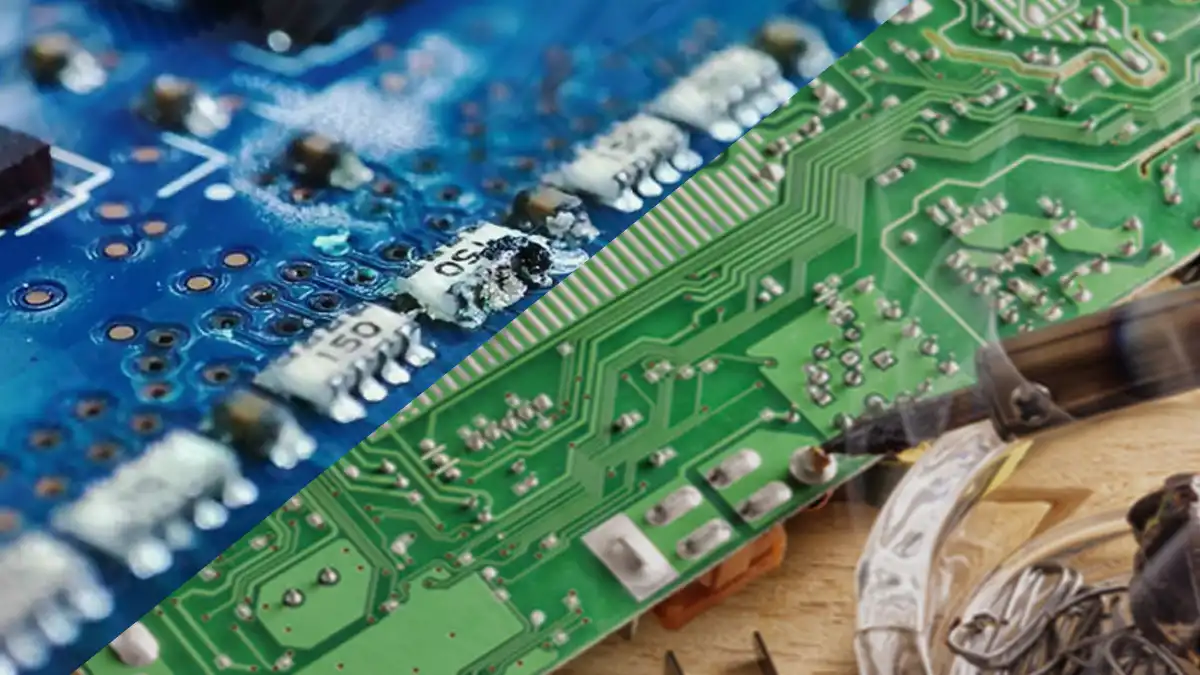
Why PCB Corrosion Is So Common in Gulf Industries
Unlike normal office electronics, industrial control systems operate in challenging environments 24/7. In Gulf regions, high humidity and airborne salt particles create a corrosive atmosphere that gradually attacks sensitive electronic components.
Even a small amount of moisture inside a control panel can start damaging:
- - Copper traces
- - Solder joints
- - Connectors
- - Communication ports
- - Power supply sections
The damage usually begins slowly and silently. Many industries only notice the is-sue after recurring faults, random shutdowns, or complete board failures start affecting production.
1. High Humidity and Condensation
Humidity is one of the biggest causes of PCB corrosion in Gulf countries. During temperature changes, condensation can form inside electrical panels and automation cabinets.
This thin layer of moisture creates an ideal condition for corrosion and electrical leakage.
In real industrial environments, this often leads to:
- - Random PLC trips
- - VFD communication errors
- - Sensor instability
- - Relay malfunction
- - Intermittent machine shutdowns
Many engineers initially suspect software or wiring issues, while the actual problem is hidden moisture damage inside the PCB.
2. Salt Contamination from Coastal Air
Facilities located near coastal areas face an even bigger challenge salt contamination.
Tiny airborne salt particles settle onto PCB surfaces and slowly create conductive paths between electronic components. Over time, this results in:
- - Copper corrosion
- - Short circuits
- - Weak solder joints
- - Overheating
- - Signal instability
This problem is extremely common in:
- - Marine industries
- - Offshore facilities
- - Ports
- - Desalination plants
- - Coastal manufacturing units
Without proper protection, salt exposure can severely reduce the lifespan of industrial electronics.
3. Oxidation of Copper Traces and Connectors
Oxidation happens naturally when metal surfaces are exposed to moisture and oxygen for long periods.
Inside industrial PCBs, oxidation commonly affects:
- - Copper tracks
- - Terminal connections
- - Ribbon cable connectors
- - Relay contacts
- - Communication interfaces
One of the earliest warning signs is the appearance of green, black, or bluish deposits on the board.
As oxidation increases, electrical resistance also increases, eventually causing:
- - Heating issues
- - Communication failures
- - Unstable machine operation
- - Complete PCB malfunction
In many cases, industries replace expensive boards without realizing the damage could have been repaired earlier.
4. Poor or Damaged Conformal Coating
Conformal coating acts like a protective shield for industrial PCBs. It helps block moisture, salt particles, dust, and chemical contaminants from reaching sensitive electronic circuits.
However, problems begin when:
- - The coating quality is poor
- - The coating becomes cracked
- - Moisture gets trapped underneath
- - Certain PCB areas remain exposed
A damaged conformal coating gives a false sense of protection while corrosion continues underneath the surface.
For Gulf industries, selecting the correct industrial-grade conformal coating is extremely important, especially for systems exposed to marine or chemical environments.
5. Dust and Industrial Chemical Exposure
Industrial environments are filled with contaminants that most people never notice. Chemical vapors, conductive dust, sulfur compounds, and airborne pollutants slowly settle inside electrical panels. When combined with humidity, these contaminants become highly corrosive.
This is especially common in:
- - Chemical plants
- - Cement industries
- - Fertilizer plants
- - Wastewater facilities
- - Heavy manufacturing sectors
Over time, contamination weakens PCB reliability and increases the chances of sudden electronic failure.
How PCB Restoration Helps Industries Save Costs
The good news is that not every corroded PCB needs replacement. If corrosion is identified early, industrial PCBs can often be restored through professional repair and cleaning processes. PCB restoration typically includes:
- - Corrosion inspection
- - Ultrasonic cleaning
- - Oxidation removal
- - Track and solder repair
- - Component replacement
- - Reapplication of conformal coating
- - Functional testing
At Epoch Technical Services, we help industries restore and repair industrial electronic boards used in automation, power control, and process systems, reducing unnecessary replacement costs and minimizing downtime.
Preventing PCB Corrosion in Industrial Facilities
Prevention is always better than emergency repair. Industries operating in Gulf environments should focus on:
- - Proper panel sealing
- - Climate-controlled cabinets
- - Humidity monitoring
- - Regular preventive maintenance
- - Scheduled PCB inspection
- - Industrial-grade conformal coating
- - Proper ventilation systems
A small preventive maintenance investment today can prevent major production losses tomorrow.
Final Thoughts
PCB corrosion may start as a small invisible issue, but over time it can become a major reliability problem for industrial operations.
In Gulf environments, humidity, salt contamination, oxidation, and industrial pollutants continuously challenge the health of automation systems. Protecting industrial PCBs is no longer optional it is essential for maintaining stable and uninterrupted production.
With proper preventive maintenance, professional PCB restoration, and environmental protection strategies, industries can significantly extend the life of their automation systems and reduce costly downtime.
For industrial PCB repair, corrosion restoration, and automation support services, Contact us.