







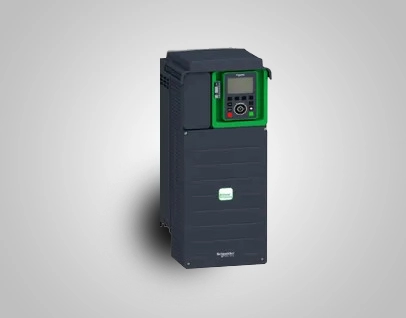
Industrial drives, especially Variable Frequency Drives ( VFDs ), are essential to modern automation, keeping motors efficient, controlled, and reliable. But harsh conditions like heat, dust, voltage fluctuations, and nonstop operation slowly wear them down. When these stresses go unchecked, drives can fail unexpectedly, causing downtime and production losses.
In this Blog, Epoch Technical walks you through the most common industrial drive failure mode, why they happen, how they are identified, and how professional repair restores drives to reliable operation.
Power Semiconductor Failures (IGBTs, Diodes, SCRs)
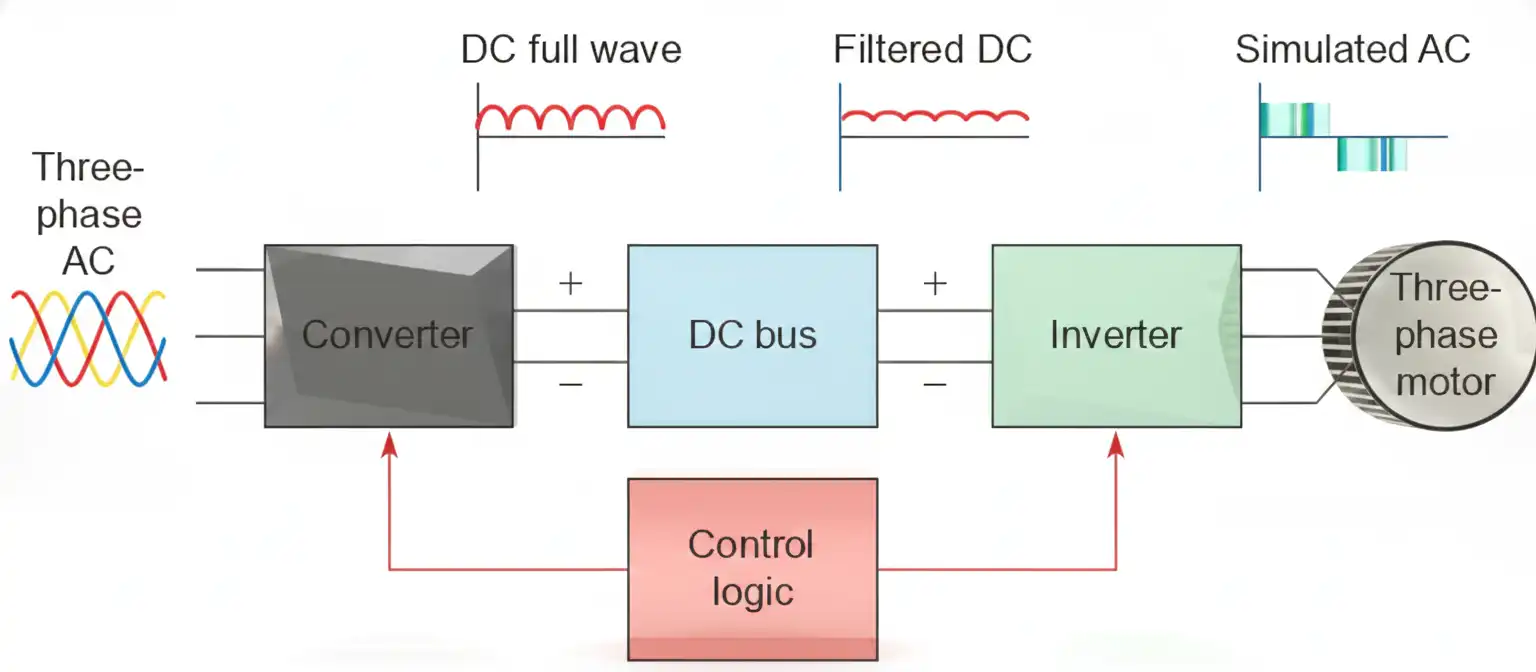
Power semiconductors such as IGBTs, fast recovery diodes, and SCRs handle high volt- ages and currents in the rectifier, DC bus, and inverter stages. Because they work under extreme electrical and thermal stress, they are among the most frequently damaged com- ponents in a drive.
Why they fail
- Motor overloads or short circuits causing overcurrent
- Voltage spikes due to poor grounding or lightning surges
- Excessive switching frequency
- Blocked airflow or inadequate cooling
- Long-term thermal aging
What youll notice
- Overcurrent or short-circuit trips
- Blown input fuses
- DC bus voltage collapse
- No motor output
How it’s repaired
At Epoch Technical, semiconductors are tested using curve tracers and dynamic switching tests. Gate driver circuits are inspected, and failed devices are replaced with OEM-equivalent modules that match voltage, current, and switching characteristics reducing the risk of repeat failures.
DC Bus Capacitor Degradation
DC bus capacitors smooth the rectified voltage and absorb ripple current. Unfortunately, electrolytic capacitors age faster than most other components, making them a common cause of drive failure.
Why they fail
- High ambient temperatures
- Excessive ripple current
- Long operating hours
- Poor ventilation
What youll notice
- DC bus undervoltage alarms
- Increased ripple voltage
- Bulging or leaking capacitors
- Intermittent and unexplained trips
How it’s repaired
Capacitors are tested for ESR and capacitance under load conditions. Failed units are replaced with high-temperature, long-life industrial capacitors, and capacitor banks are rebalanced to ensure stable long-term operation.
Control PCB and Electronic Component Failures
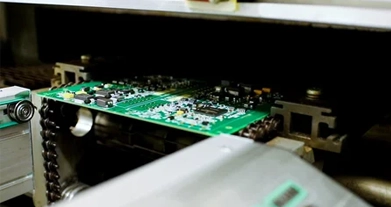
The control PCB is the “brain” of the drive, handling logic, communication, and protection functions. Even small issues here can shut down the entire system.
Why they fail
- Power surges or unstable control voltages
- Moisture ingress and condensation
- Aging ICs and passive components
- Electrostatic discharge ( ESD ) damage
What you’ll notice
- Drive does not power up
- Blank or frozen display
- Communication faults ( Modbus, Profibus, Ethernet/IP )
How it’s repaired
Epoch Technical performs component-level PCB repairs, replacing regulators, opto- isolators, EEPROMs, and microcontrollers as required. Firmware integrity is verified to ensure proper functionality after repair.
Cooling System and Thermal Management Failures
Cooling problems don’t always cause immediate failure but they quietly shorten the life of power components.
Why they fail
- Fan bearing wear
- Dust and dirt buildup
- Blocked airflow paths
What youll notice
- Overtemperature trips
- Automatic current derating
- Premature IGBT failures
How it’s repaired
Cooling fans are replaced, heatsinks cleaned, thermal compound renewed, and temperature sensors inspected. Thermal imaging is used to confirm proper heat dissipation.
Input Rectifier and Power Supply Failures
The input stage converts AC power to DC and feeds auxiliary control circuits. Instability here affects the entire drive.
Why they fail
- Phase imbalance
- Input voltage transients
- Loose wiring connections
- Aging SMPS components
How it’s repaired
Rectifier bridges are tested, auxiliary power rails verified, and surge protection components inspected to restore stable operation.
Encoder and Feedback Interface Failures
Closed-loop drives rely on accurate feedback from encoders or resolvers. Even minor signal issues can cause major control problems.
Common problems
- Damaged cables or EMI interference
- Corroded connectors
- Unstable encoder power supply
How it’s repaired
Signal integrity testing, interface card replacement, grounding improvements, and compatibility checks are performed to ensure reliable feedback.
Environmental and Installation-Related Failures
Dust, humidity, vibration, and corrosive environments can dramatically reduce drive lifespan if not addressed.
How it’s repaired
- PCB cleaning and conformal coating restoration
- Insulation resistance testing
- Recommendations for improved enclosure protection
Software, Firmware, and Parameter Issues
Not every drive failure is caused by damaged hardware. Software and configuration issues are more common than many expect.
How it’s repaired
- Reloading or updates of firmware
- Parameter backup and restoration
- Version compatibility checks
- Functional testing under load
Why Repair Instead of Replace?
Professional drive repair offers several advantages:
- Reduced downtime
- Lower repair cost compared to replacement
- Extended asset life
- Continued support for obsolete or discontinued models
How Epoch Technical Adds Value
Epoch Technical provides:
- Component-level industrial drive repair
- Obsolete drive support and spare sourcing
- Functional and load testing
- Preventive maintenance guidance
- Support for ABB, Siemens, Allen-Bradley, Schneider Electric, Danfoss, Mitsubishi, and more
Conclusion
Understanding common industrial drive failure modes enables industries to shift from reactive maintenance to predictive strategies. With professional diagnostics and expert VFD repair service, many failed drives can be restored to full operational condition.
By partnering with Epoch Technical, manufacturers can reduce downtime, extend equipment life, and maintain stable automation performance. For complete lifecycle support of drives, PLCs, and control systems, choosing a trusted provider of Industrial automation equipment services ensures faster turnaround times, lower operational costs, and long-term system reliability.